Endometriosis and Fertility: How to Conceive When Diagnosed with Endometriosis

Managing Short Luteal Phase: Causes, Symptoms, and Effective Solutions
September 9, 2025Dealing with Postpartum Depression: A Complete Guide for New Mothers
September 9, 2025
Introduction
Trying to conceive is exciting, but it can also feel overwhelming when health challenges appear. For many women, endometriosis adds an extra layer of difficulty. This condition not only causes pain but can also affect fertility. However, being diagnosed with endometriosis does not mean you cannot get pregnant. With the right knowledge, support, and medical guidance, many women with endometriosis go on to have successful pregnancies.
What Is Endometriosis?
Endometriosis is a condition where tissue similar to the lining of the uterus grows outside it. These growths can appear on the ovaries, fallopian tubes, and pelvic lining. Each month, this tissue behaves like the uterine lining. It thickens, breaks down, and bleeds during the menstrual cycle. However, unlike the tissue in the uterus, it cannot leave the body. This leads to inflammation, pain, and scar tissue.
According to the World statistics, about 10-15% of women worldwide live with endometriosis. Many do not know they have it until they face fertility struggles. Symptoms can vary, but the most common include painful periods, pelvic pain, heavy bleeding, and pain during sex.
How Endometriosis Affects Fertility
● Endometriosis can impact fertility in several ways:
● Blocked fallopian tubes: Scar tissue can make it harder for eggs to travel.
● Poor egg quality: Inflammation around the ovaries can damage eggs.
● Hormonal imbalance: Endometriosis can disrupt ovulation.
● Implantation issues: The condition can reduce the chances of a fertilized egg attaching to the uterus.
● It’s important to note that not every woman with endometriosis will struggle to conceive. Some become pregnant naturally, while others need medical help.
Can You Conceive Naturally With Endometriosis?
Yes, it is possible. Studies suggest that up to 50% of women with mild endometriosis conceive naturally within a year. However, the severity of the condition plays a key role. Women with advanced stages may find it harder to get pregnant without treatment.
Doctors often advise trying for pregnancy naturally if the endometriosis is mild and age is on your side. But if conception does not happen after 6 to 12 months, medical support should be considered.
Lifestyle Changes to Boost Fertility With Endometriosis
Simple lifestyle adjustments can support your fertility journey.
1. Eat a fertility-friendly diet
Focus on whole foods, leafy greens, lean proteins, and omega-3 fatty acids. Avoid processed foods, sugar, and excess red meat as they may increase inflammation.
2. Maintain a healthy weight
Being overweight or underweight can affect ovulation. Keeping a balanced weight supports hormonal health.
3. Exercise moderately
Gentle activities like yoga, walking, and swimming can improve circulation and reduce inflammation. Avoid extreme workouts as they may stress the body.
4. Manage stress
Chronic stress can affect hormones. Meditation, deep breathing, and journaling are effective ways to reduce stress.
5. Limit alcohol and caffeine
Both can lower fertility levels and worsen symptoms. Choose herbal teas and water instead.
Medical Treatments That Improve Fertility With Endometriosis
When lifestyle changes are not enough, medical treatments can help.
1. Surgery
Laparoscopic surgery can remove endometrial lesions, cysts, and scar tissue. Studies show that fertility often improves after surgery, especially in women with mild to moderate endometriosis.
2. Hormonal Therapy
Although hormonal treatments like birth control pills or injections do not boost fertility directly, they can manage symptoms and prepare the body for future attempts at conception.
3. Pain Management
Managing pain improves overall well-being. This can make it easier for couples to plan regular intercourse during fertile windows.
Assisted Reproductive Technologies (ART) for Endometriosis
If natural conception or surgery is not successful, assisted reproductive technologies may be the next step.
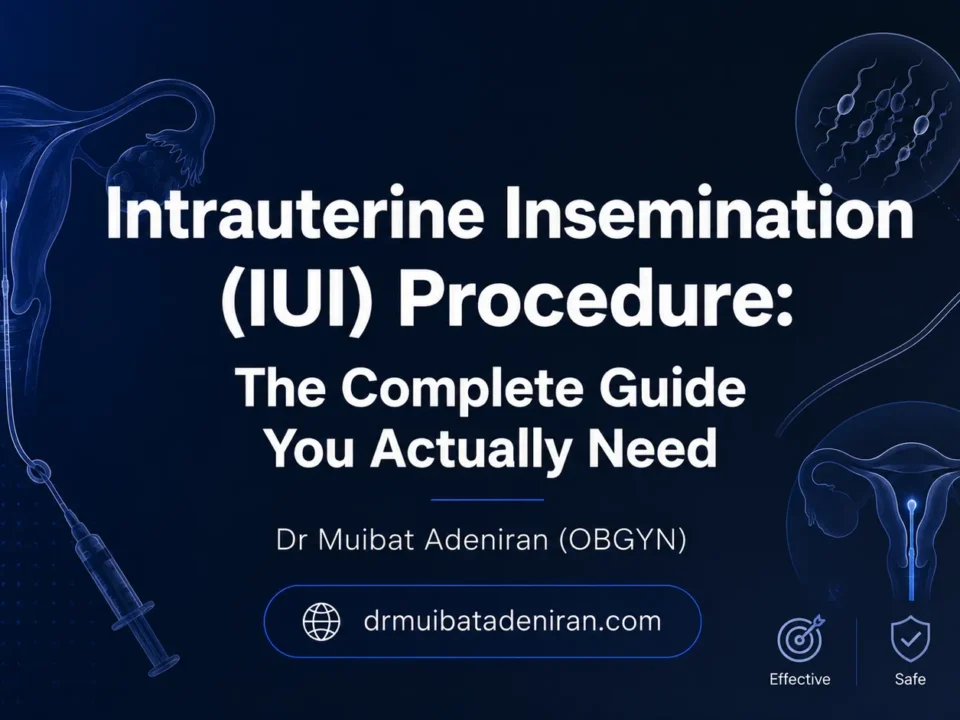
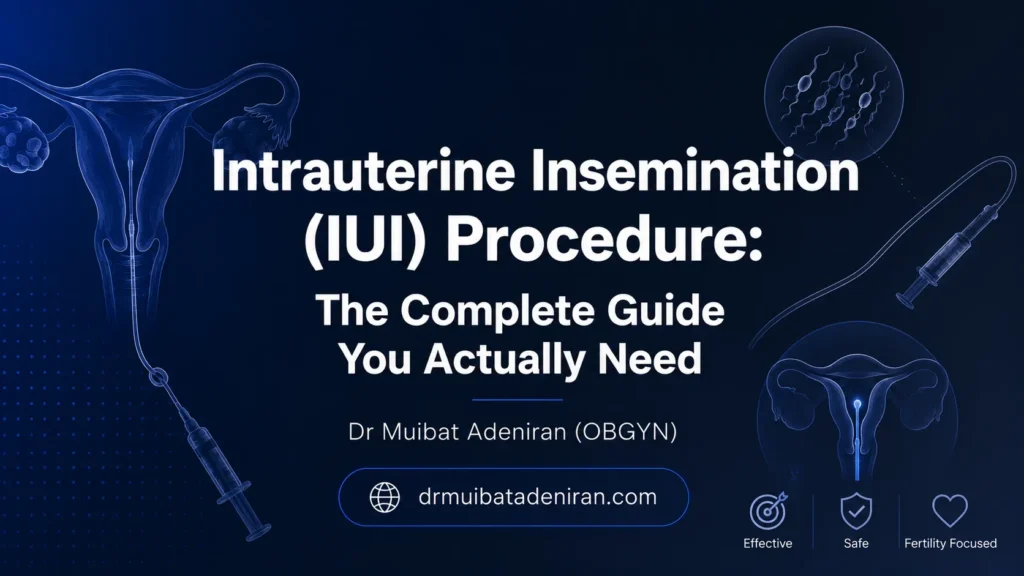
1. Intrauterine Insemination (IUI)
IUI involves placing sperm directly into the uterus during ovulation. It is often used in mild cases of endometriosis.
2. In Vitro Fertilization (IVF)
IVF is the most effective fertility treatment for women with moderate to severe endometriosis. Eggs are collected, fertilized in a lab, and placed back into the uterus. Success rates depend on age, egg quality, and the severity of the condition.
3. Egg Freezing
For women not ready to conceive, egg freezing can be an option. Since endometriosis can affect egg quality over time, freezing eggs earlier can improve future chances.
Emotional and Psychological Support
Dealing with infertility and endometriosis can take an emotional toll. Feelings of sadness, frustration, or even guilt are common. Seeking support is crucial.
● Therapy or counseling helps manage stress and emotions.
● Support groups connect you with women facing similar challenges.
● Open communication with partners builds understanding and reduces tension.
When to Seek Medical Help
If you have endometriosis and are trying to conceive, do not wait too long before seeking medical advice. Women under 35 should see a doctor after 12 months of trying, while those over 35 should seek help after 6 months. Early intervention can make a big difference.
Tips for Partners
● Fertility challenges affect both partners. Here’s how partners can support:
● Attend medical appointments together.
● Share responsibilities during fertility treatments.
● Offer emotional support and reassurance.
● Stay patient and hopeful throughout the journey.
Hope for Women With Endometriosis
Endometriosis may make the journey to conception more complex, but it does not make it impossible. Many women with the condition go on to have children naturally or with medical help. With the right care plan, patience, and support, your dream of parenthood can still come true.
Conclusion
Endometriosis and fertility are deeply connected, but a diagnosis does not close the door to motherhood. By understanding the condition, adopting healthy lifestyle habits, exploring medical treatments, and considering assisted reproductive technologies, many women can increase their chances of conceiving. Above all, never lose hope—science and support systems are stronger than ever.
FAQs About Endometriosis and Fertility
Q1. Can women with endometriosis get pregnant naturally?
Ans. Yes, many women conceive naturally, especially with mild endometriosis.
Q2. Does surgery improve fertility?
Ans. Yes, laparoscopic surgery can improve fertility by removing lesions and scar tissue.
Q3. Is IVF effective for women with endometriosis?
Ans. Yes, IVF offers one of the highest success rates, especially for advanced stages.
Q4. Can endometriosis affect egg quality?
Ans. Yes, inflammation and cysts can affect egg health.
Q5. Should I freeze my eggs if I have endometriosis?
Ans. It can be a smart option, especially for younger women not ready to conceive.
Q6. Does stress worsen endometriosis symptoms?
Ans. Yes, stress can trigger inflammation and hormonal imbalances.
Q7. Is pregnancy possible after severe endometriosis?
Ans. Yes, but medical support like IVF may be required.